Drywall Repair in Franklin, Wisconsin
Wall damage diagnosed and repaired properly — so the same crack does not show up again next season.
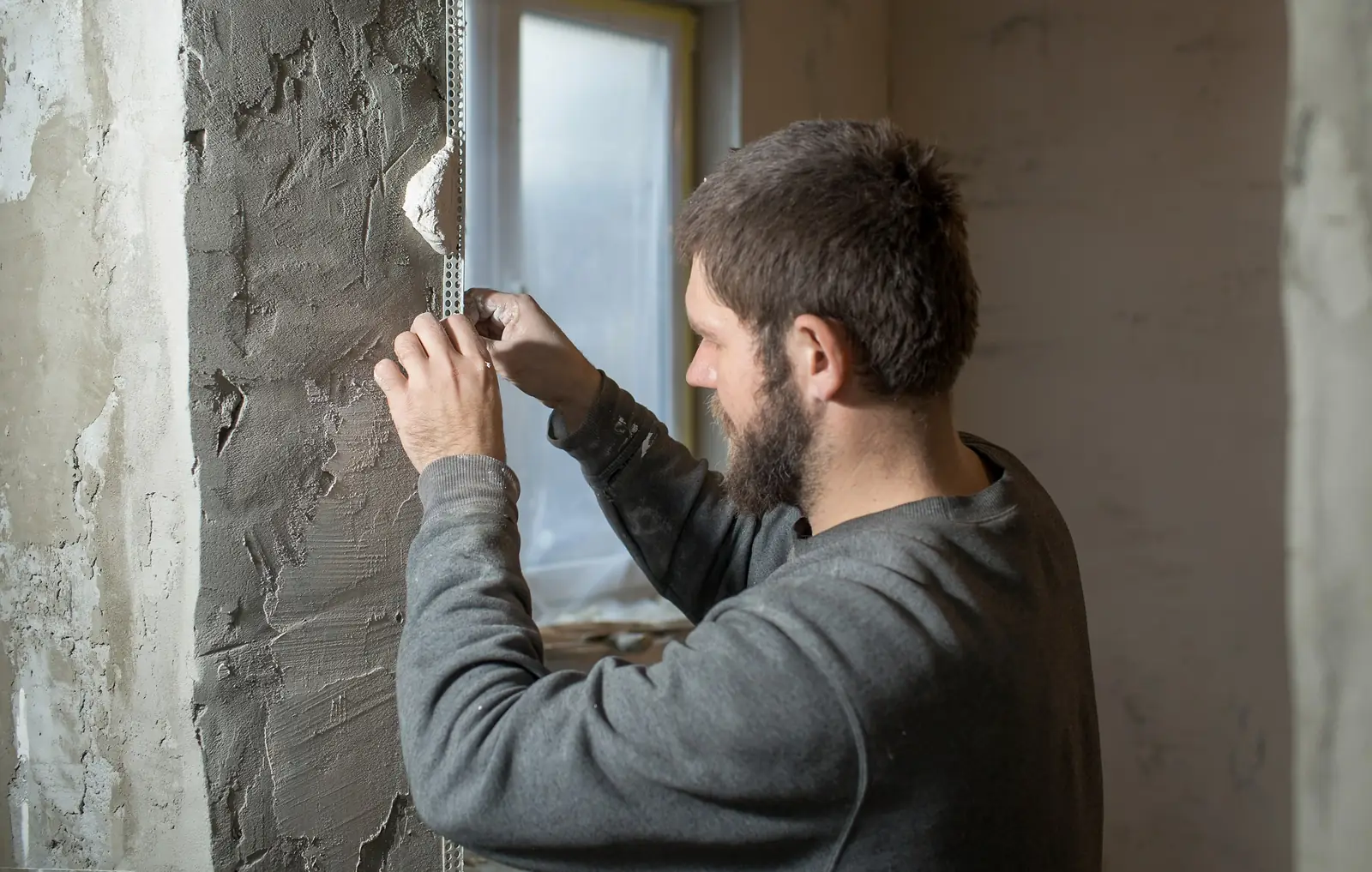
Drywall repair covers a broad range of problems: hairline cracks over doors, rows of nail pops, crushed corners, torn paper from old wallpaper or tape, and seams that have started to show through paint. Some of these are cosmetic. Others point to something happening in the framing or the building.
Franklin Elite Drywall repairs drywall in homes, rentals, and commercial spaces. Our approach is to figure out why the damage happened first, because a repair that ignores the cause tends to fail in the same place.
Common repairs
Cracks at doors and windows
Diagonal cracks from the corners of openings, often from framing movement or seams placed at the corners.
Nail and screw pops
Fasteners pushing through the surface as lumber dries and shrinks.
Damaged corner bead
Dented, cracked, or loose outside corners in busy hallways and stairways.
Torn paper and delamination
Paper peeled away by tape, wallpaper removal, or moisture.
Visible seams and tape lines
Joints that show through paint because of shrinkage or under-finishing.
Diagnosing before repairing
Nail pops are usually caused by framing lumber shrinking as it dries — common in the first year or two after construction, but also in older homes with seasonal humidity swings. Driving the nail back in rarely lasts. The better fix is to set a drywall screw just beside it to pull the board tight, then remove or reset the nail and finish over both.
Cracks running diagonally from door and window corners often appear where a seam lines up with the corner of the opening, or where the framing above the opening is moving. Repairing them properly means opening up the crack, reinforcing it with tape and setting compound, and feathering the repair wide so it blends.
Torn drywall paper needs special care. If compound or paint is applied directly over exposed brown paper, it bubbles. The torn area has to be sealed first — usually with a primer made for damaged drywall — before it can be skimmed smooth.
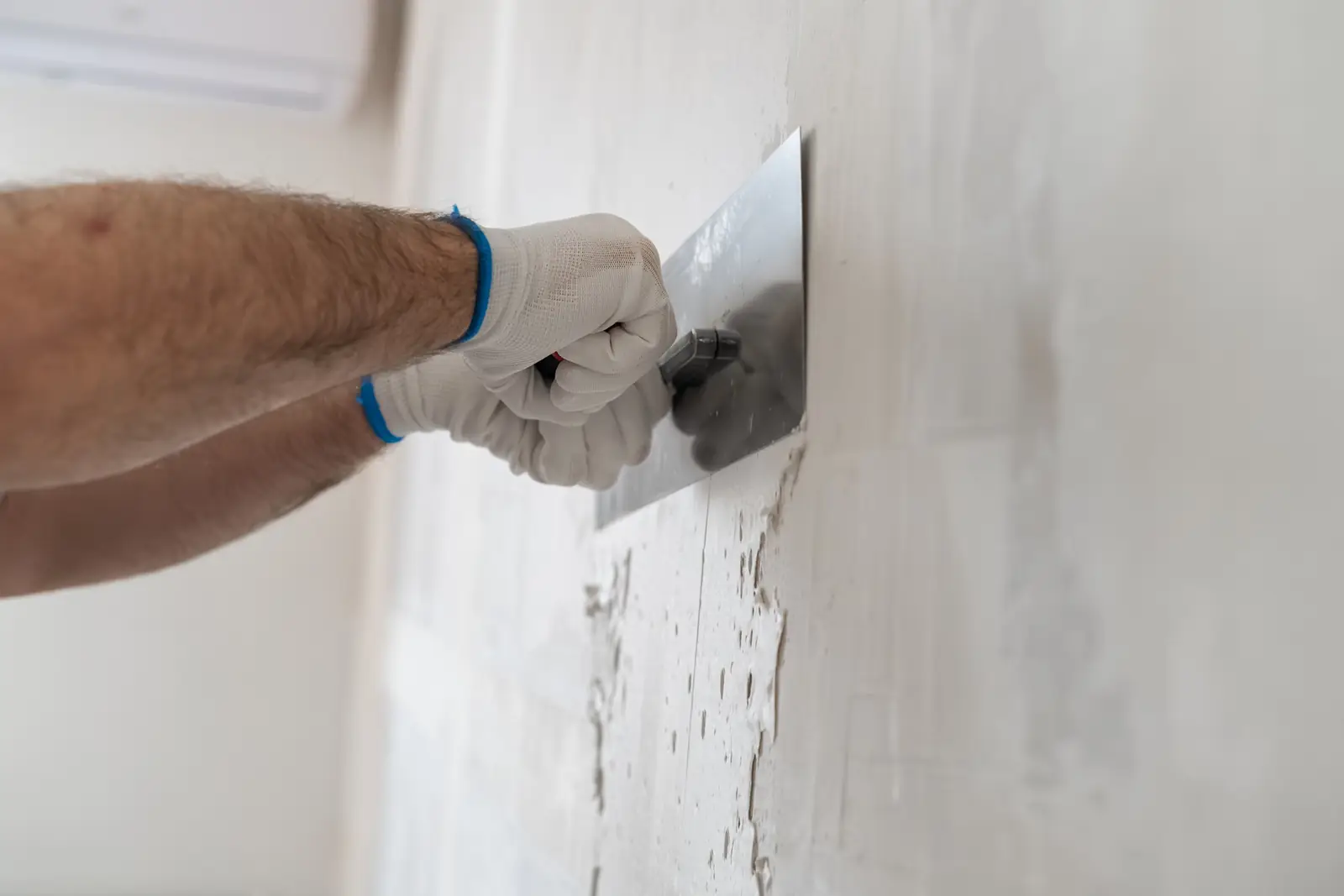
Representative photo.
What a repair visit usually includes
A general outline — the exact steps depend on the condition of the space and the scope you choose.
Find the cause
Look for moisture, framing movement, settling, or impact damage before choosing the fix.
Open and stabilize
Cut out loose tape and damaged material, and re-fasten board with screws.
Reinforce
Tape cracks, replace damaged corner bead, and fill with setting compound.
Feather and blend
Apply finish coats wide enough to hide the repair and match texture if needed.
Sand, prime, check
Sand smooth, prime, and check the repair under good light.
Repair materials
The right product depends on where it is going. These are the materials that most often come up for this kind of work.
Drywall screws
Re-secure loose board and fix nail pops for the long term.
Paper tape and setting compound
Reinforce cracks so they stay closed.
Replacement corner bead
Metal, vinyl, or paper-faced bead to match existing corners.
Torn-paper sealer
Primer that prevents bubbling on exposed drywall paper.
Texture materials
For matching orange peel, knockdown, or other existing finishes.
Why the cause matters
- Repairs last because the underlying issue is addressed.
- Surfaces look consistent after paint, without visible patches.
- Small problems are dealt with before they spread or worsen.
- One visit can cover multiple problems throughout the house.
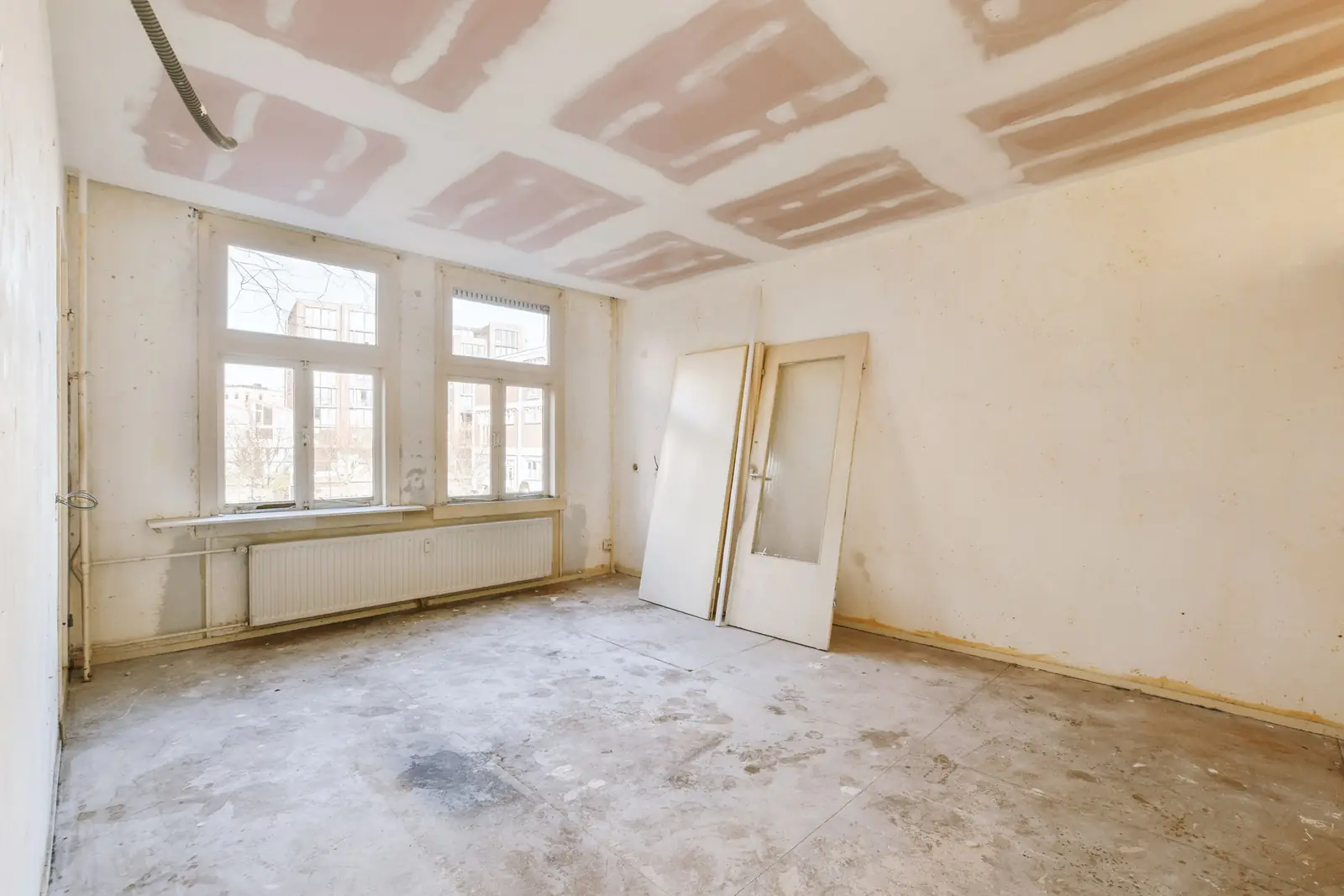
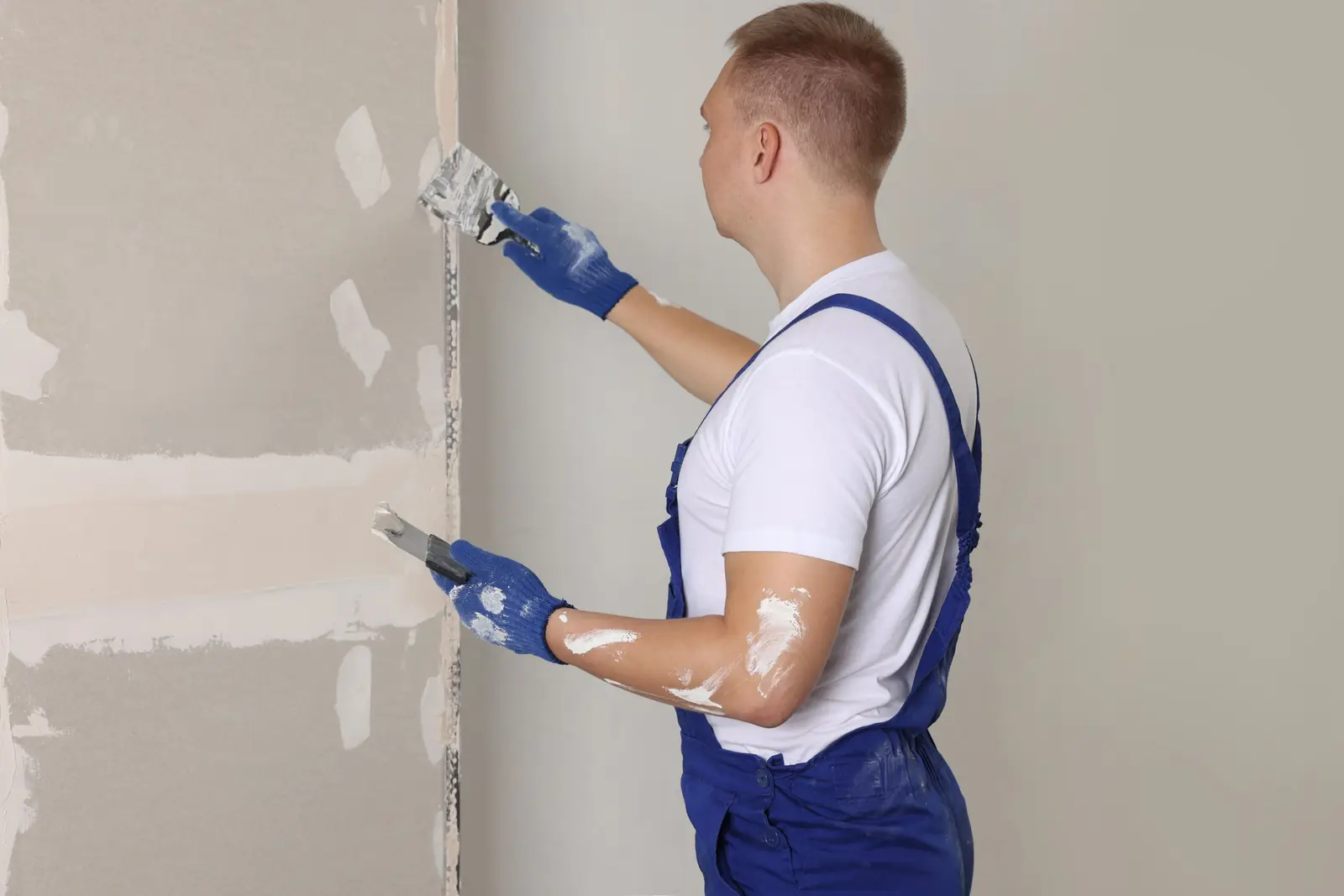
What drywall repair changes.
Drag the divider (or focus it and use your arrow keys) to compare a typical starting condition with a finished result.
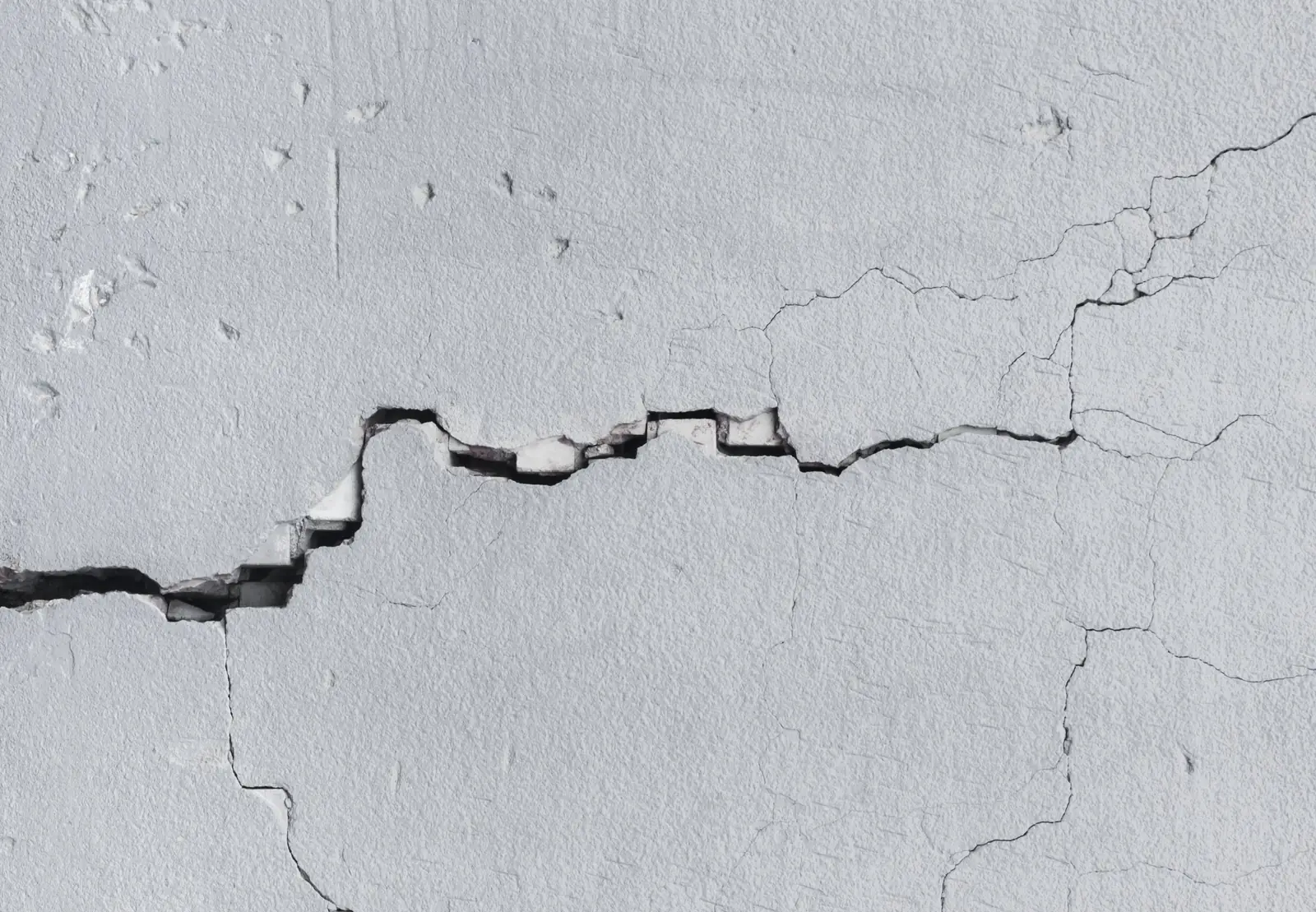
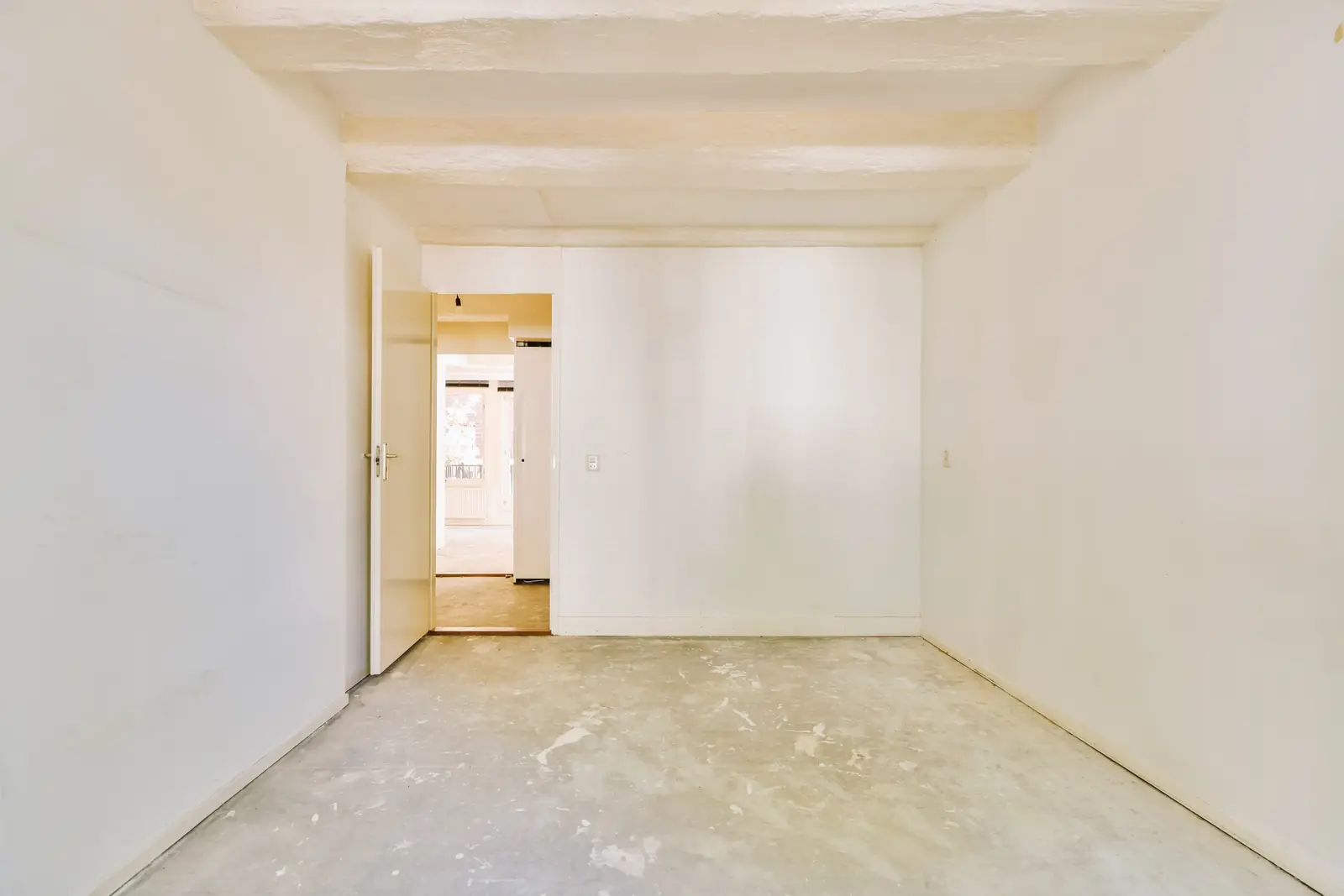 BeforeAfter
Illustrative stock photography showing typical before and after conditions — not a Franklin Elite Drywall project. Real project photos will be added here.
Repairs in Franklin homes
Franklin’s mix of older and newer homes produces a predictable pattern: newer houses tend to show nail pops and minor cracking as the framing settles, while older houses see corner cracks, worn bead, and the leftover damage of decades of remodeling. Seasonal humidity swings through Wisconsin winters and summers keep cracks opening and closing in both.
Drywall Repair FAQs
Have a question that is not covered here? Include it with your estimate request.
Are cracks in drywall a sign of a structural problem?
Most hairline cracks are from normal settling and seasonal movement. Wide cracks, cracks that keep growing, doors that start sticking, or cracks appearing alongside sloping floors deserve a closer look — sometimes by a structural professional.
Why do nail pops keep appearing?
Usually because framing lumber is drying and shrinking, which pushes the nail heads out. Adding screws next to the nails and refinishing is the most reliable fix.
Can you fix a dented outside corner?
Yes. Damaged corner bead is cut out and replaced, then finished to match. In high-traffic spots, a more impact-resistant bead is worth considering.
How do I know whether to repair or replace drywall?
Most damage can be repaired. Replacement makes sense when the drywall has been soaked, is crumbling, has mold, or when the damaged area is so large that a new sheet is simpler.
Often part of the same project.
Drywall Patching
Doorknob holes, anchor damage and cut-outs from plumbers and electricians, patched flat and blended so they disappear under paint.
Learn more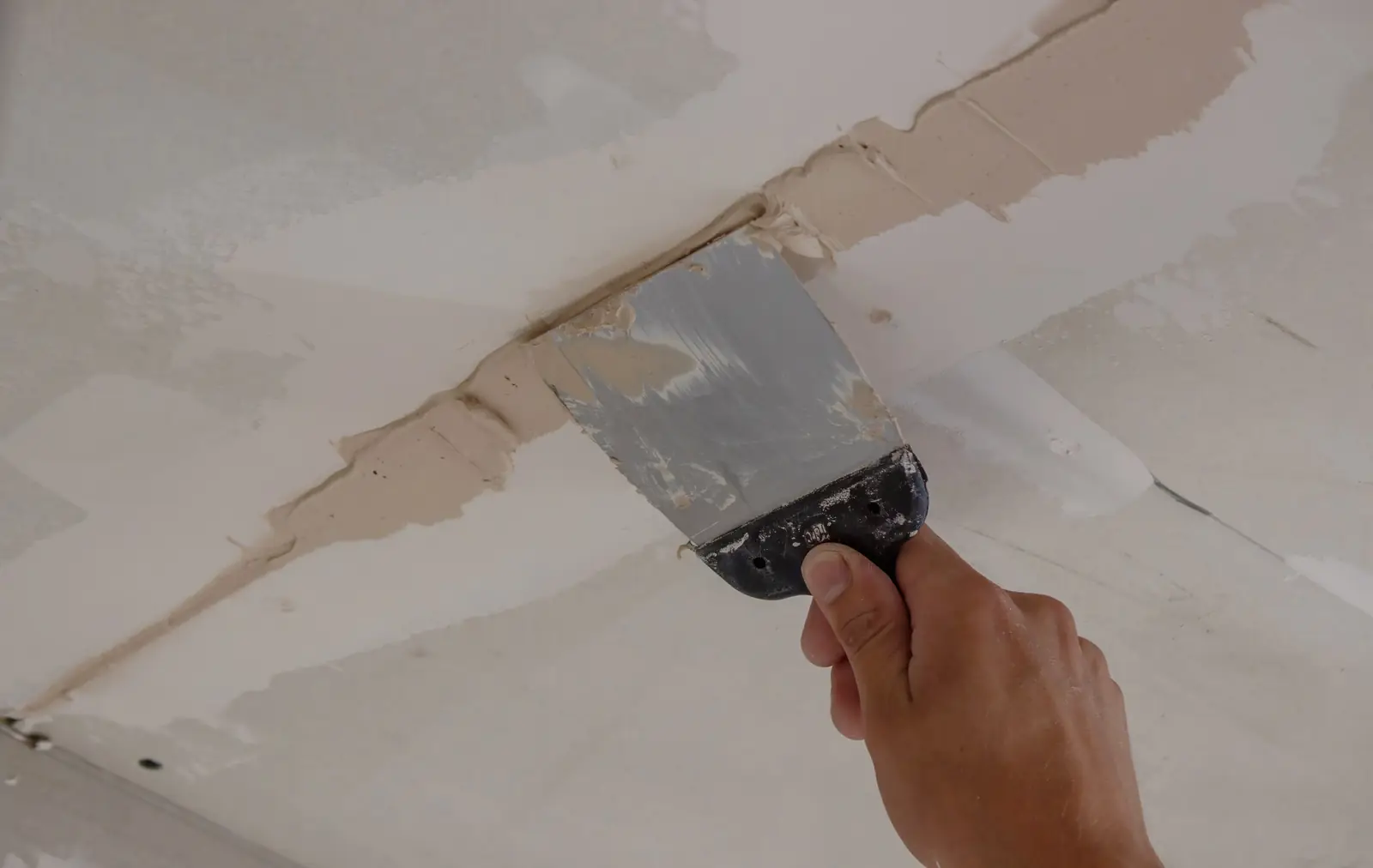
Ceiling Drywall Repair
Cracks, sagging panels, nail pops and leak damage overhead, repaired so the ceiling reads flat from every angle.
Learn more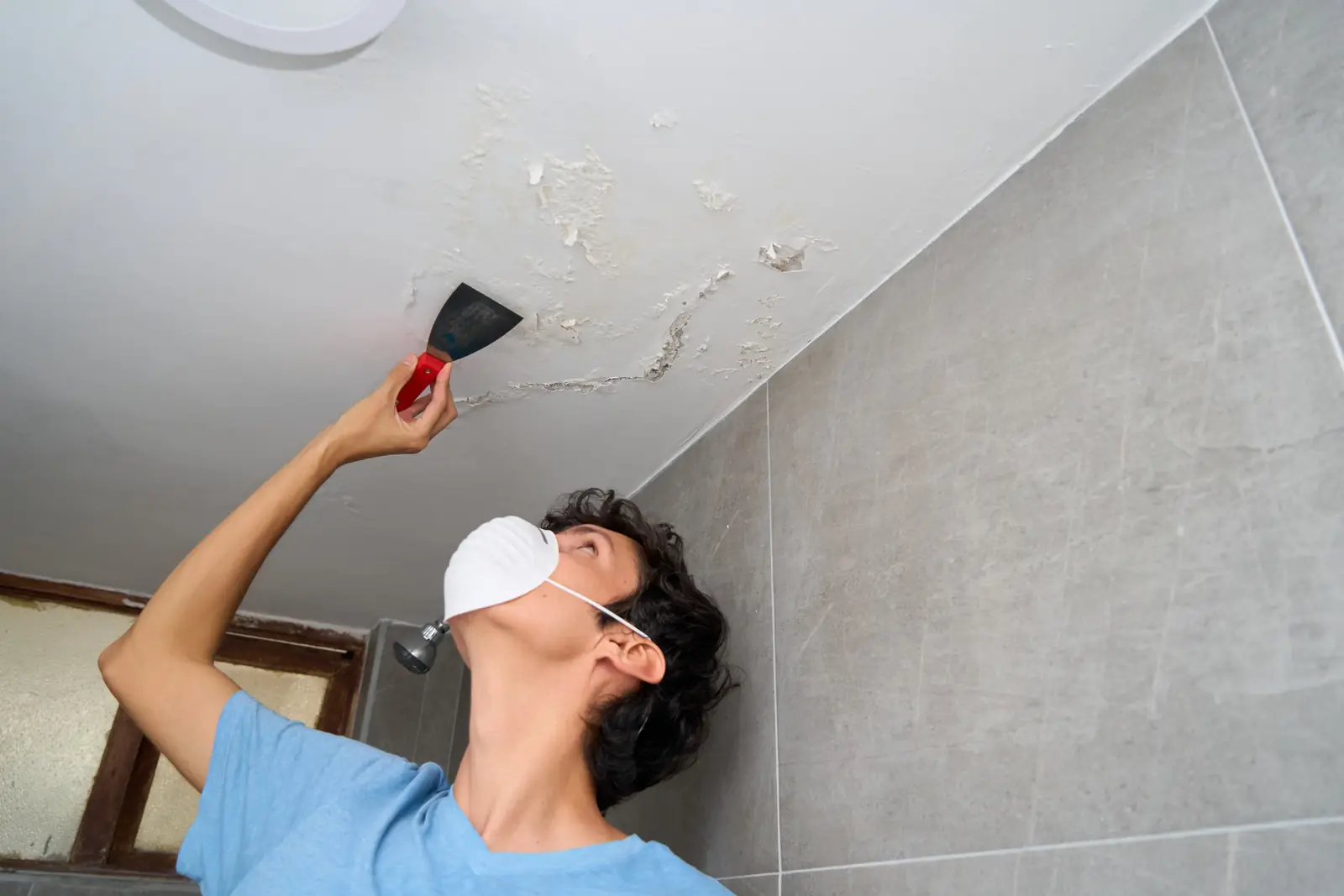
Water-Damaged Drywall Repair
Stained, soft or sagging drywall cut out, dried, replaced and finished — once the source of the water has been fixed.
Learn more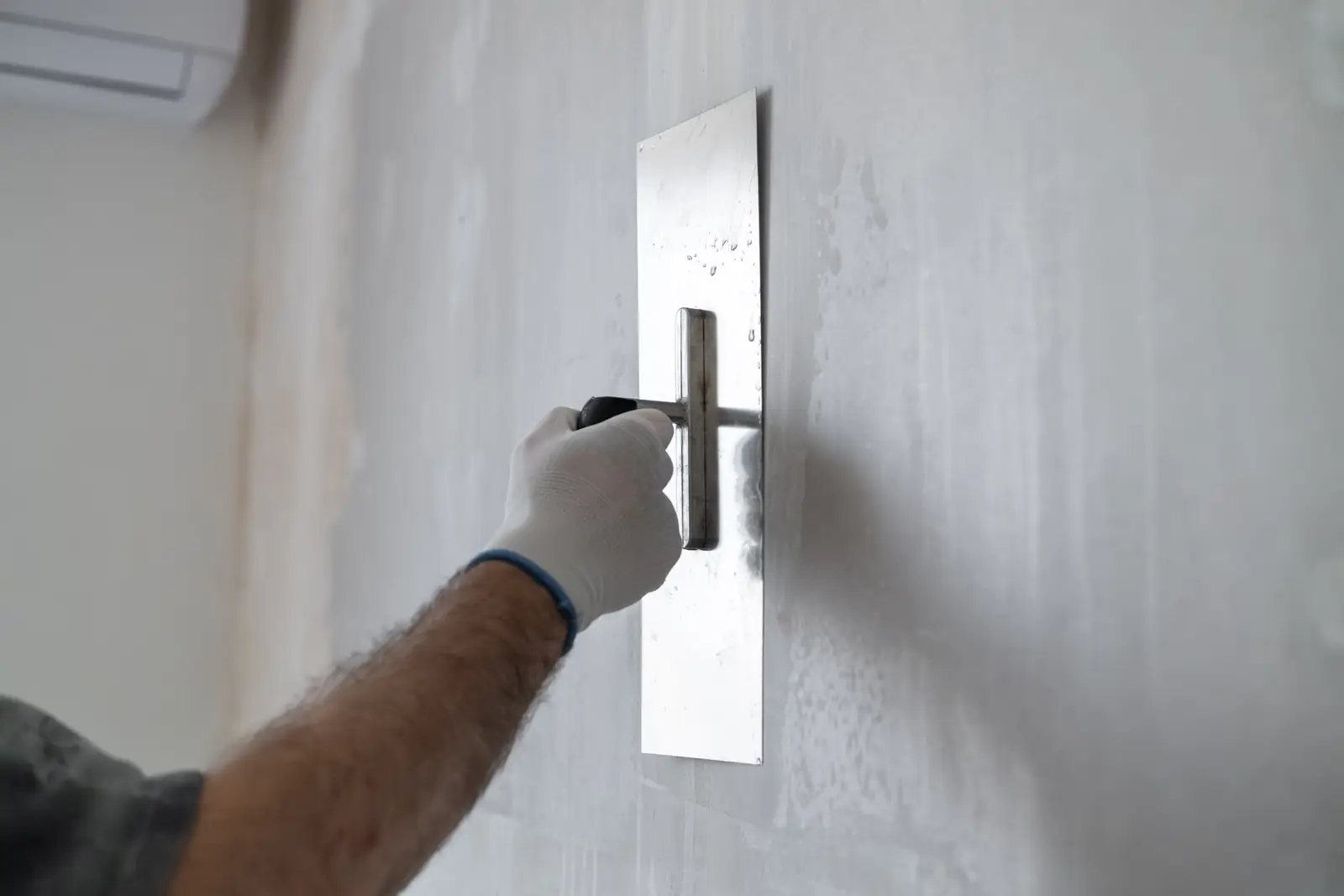
Drywall Finishing
Finish levels matched to your lighting and paint — up to a full Level 5 skim for walls that have to look flawless.
Learn more
Need something repaired?
Send photos and a quick description of what you are seeing. We will follow up about what the repair will involve.