Residential Drywall Services for Franklin Homes
Drywall work for people who live in the house while it is happening — so the dust, the schedule, and the finish all matter.
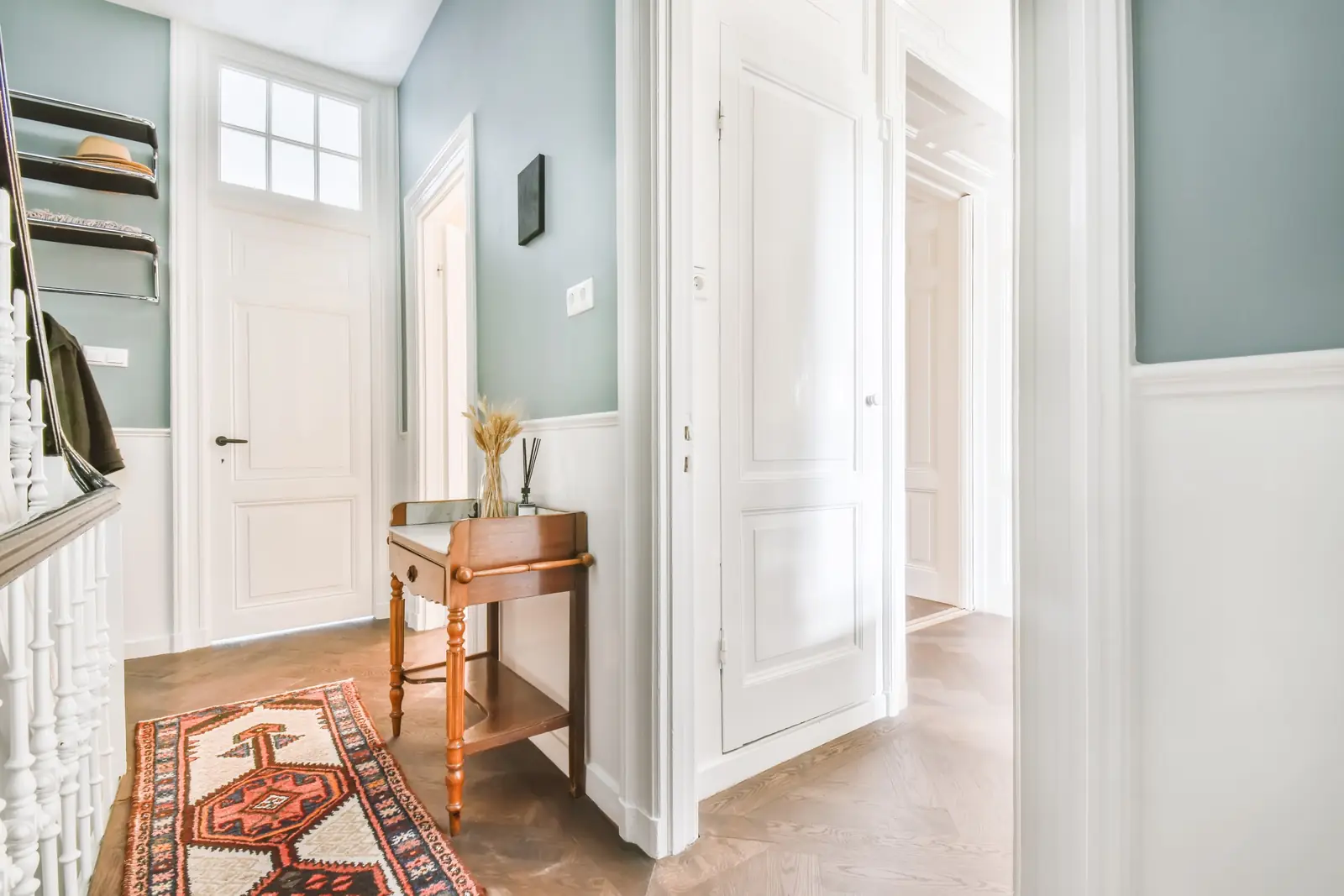
Most residential drywall jobs are not new construction. They are a kitchen wall that moved, a bathroom that got gutted, a ceiling that came down after a leak, or a lower level that is finally getting finished. The family is usually still living there, which changes how the work has to be done.
Franklin Elite Drywall handles residential drywall from a single damaged wall to a whole floor: hanging, taping, finishing, texture work, and repair. The aim is simple — walls and ceilings that look right after paint, and a house that is left as clean as the job allows.
Common reasons homeowners call
Remodels
Kitchens, baths, and opened-up floor plans where walls come out, new walls go in, and old and new surfaces have to blend.
Additions and bonus rooms
Rooms over garages, sunrooms, and additions that need board, finishing, and a clean tie-in to the existing house.
Lower-level finishing
Rec rooms, bedrooms, offices, and media rooms built out in the basement.
Damage and wear
Holes, cracks, popped screws, dented corners, and patches from plumbing or electrical work.
Ceiling updates
Removing popcorn texture, fixing sagging or cracked ceilings, and flattening ceilings before new lighting goes in.
Working inside a lived-in home
Sanding joint compound makes fine dust that travels. In an occupied house, the work area gets sealed off with plastic, floors are covered, and vents in the work zone are closed off where practical. Low-dust sanding methods help, but containment is what actually keeps the rest of the house livable.
Matching existing surfaces is the other half of residential work. Older walls may have a light texture, a slightly different thickness, or a corner profile that new materials do not match out of the box. A patch that is flat and sanded can still stand out if the texture or sheen around it is different. Matching those details — before the painter arrives — is where much of the skill is.
Finally, residential jobs often have to fit around other trades and around the family’s calendar. Electricians, plumbers, and HVAC installers usually need to finish rough-ins before walls close, and an inspection may need to happen first. Building that order into the plan avoids the expensive problem of cutting open new drywall.
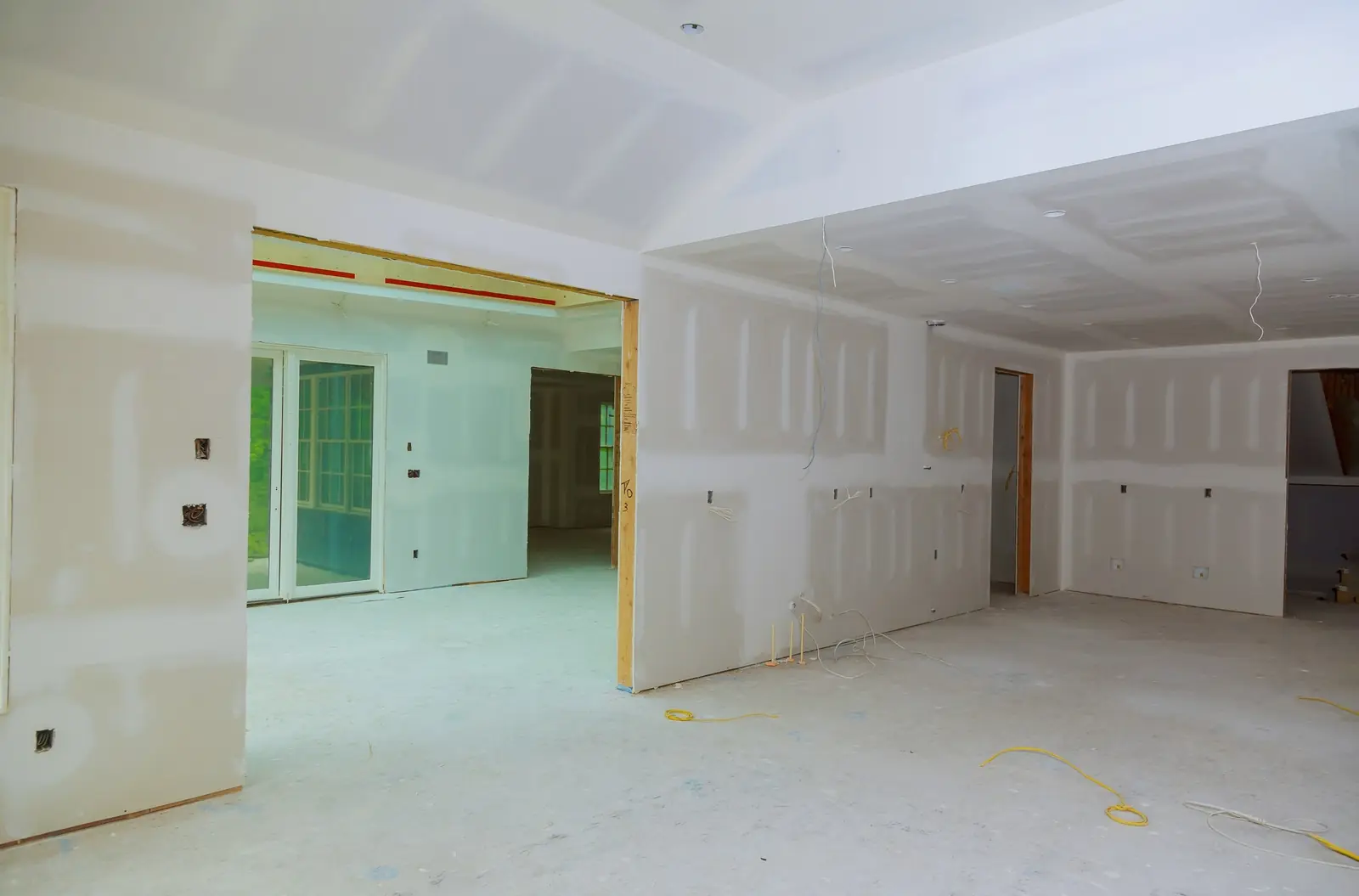
Representative photo.
A typical residential project, step by step
A general outline — the exact steps depend on the condition of the space and the scope you choose.
Visit and walkthrough
We look at the rooms, talk about what you want, check for moisture or framing problems, and ask about access, pets, and timing.
Written estimate
You get a clear scope: what is included, the finish level, who handles paint, and any unknowns that could change the price.
Protection and prep
Floors and furniture are covered, the area is sealed off, and any damaged material is removed.
Hang, tape, and finish
Board is installed, seams and corners are taped, and coats of compound are applied with drying time between each.
Sand, inspect, clean up
Surfaces are sanded and checked under raking light, touch-ups are made, and the work area is cleaned for paint.
What goes into residential walls
The right product depends on where it is going. These are the materials that most often come up for this kind of work.
1/2-inch standard board
The usual choice for interior walls in homes.
5/8-inch and sag-resistant ceiling board
Stiffer board that resists sagging between ceiling joists, especially with blown-in insulation above.
Moisture-resistant board
For bathrooms, laundry rooms, and basements — not a substitute for cement board behind shower tile.
Paper and mesh joint tape
Paper for strength on most seams and inside corners; mesh in specific repair situations with setting compound.
Setting and premixed compounds
Fast-setting “hot mud” for filling and strength, premixed compound for smooth finish coats.
Metal, vinyl, and paper-faced corner bead
Chosen to match existing corners or for durability in busy hallways.
What you get from doing it properly
- Walls and ceilings that look smooth and even after paint, without visible seams or patch outlines.
- Less dust and disruption while your household keeps running.
- New work that matches the texture and corners of the rest of the house.
- A written scope, so you know exactly what is and is not included.

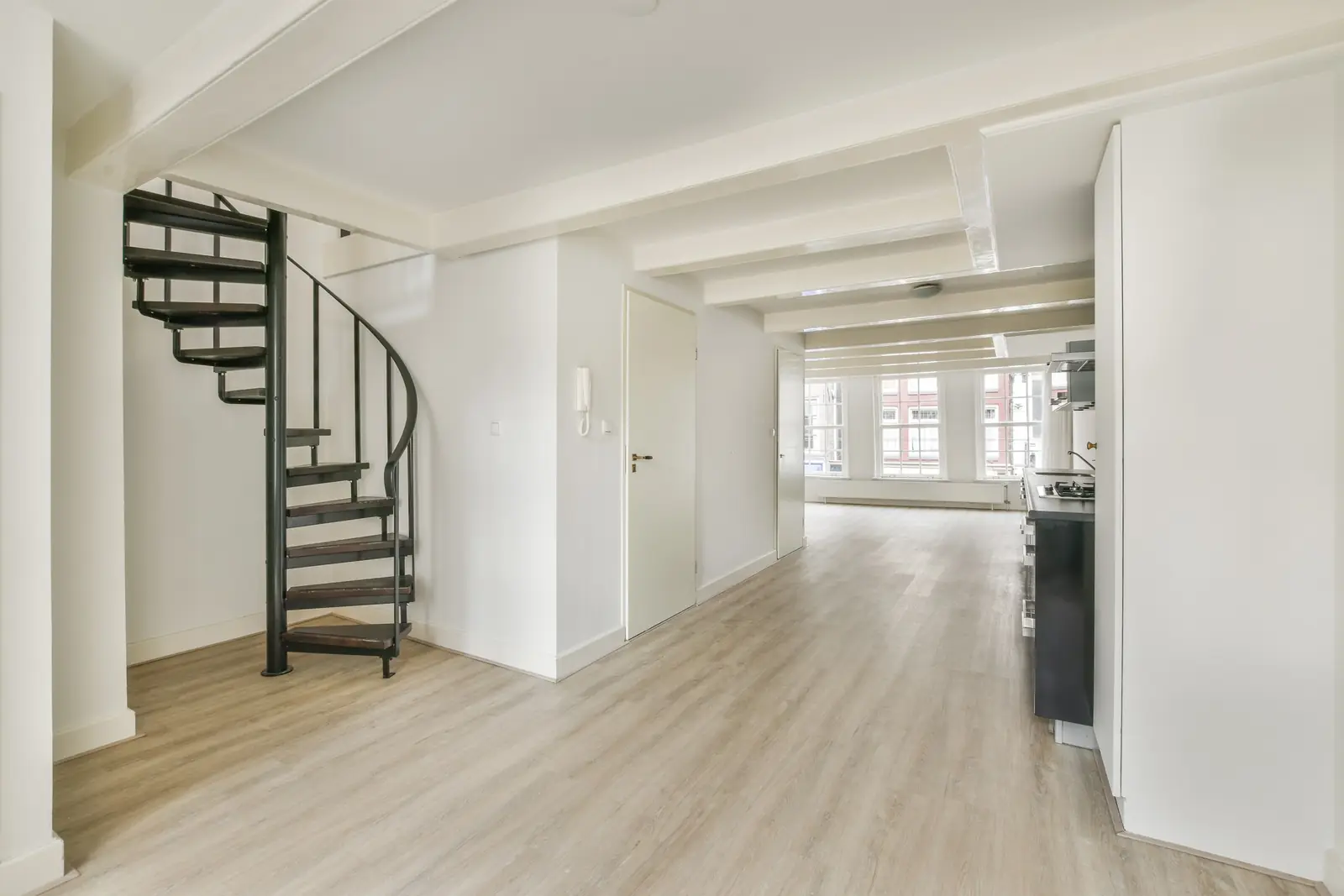
What residential drywall services changes.
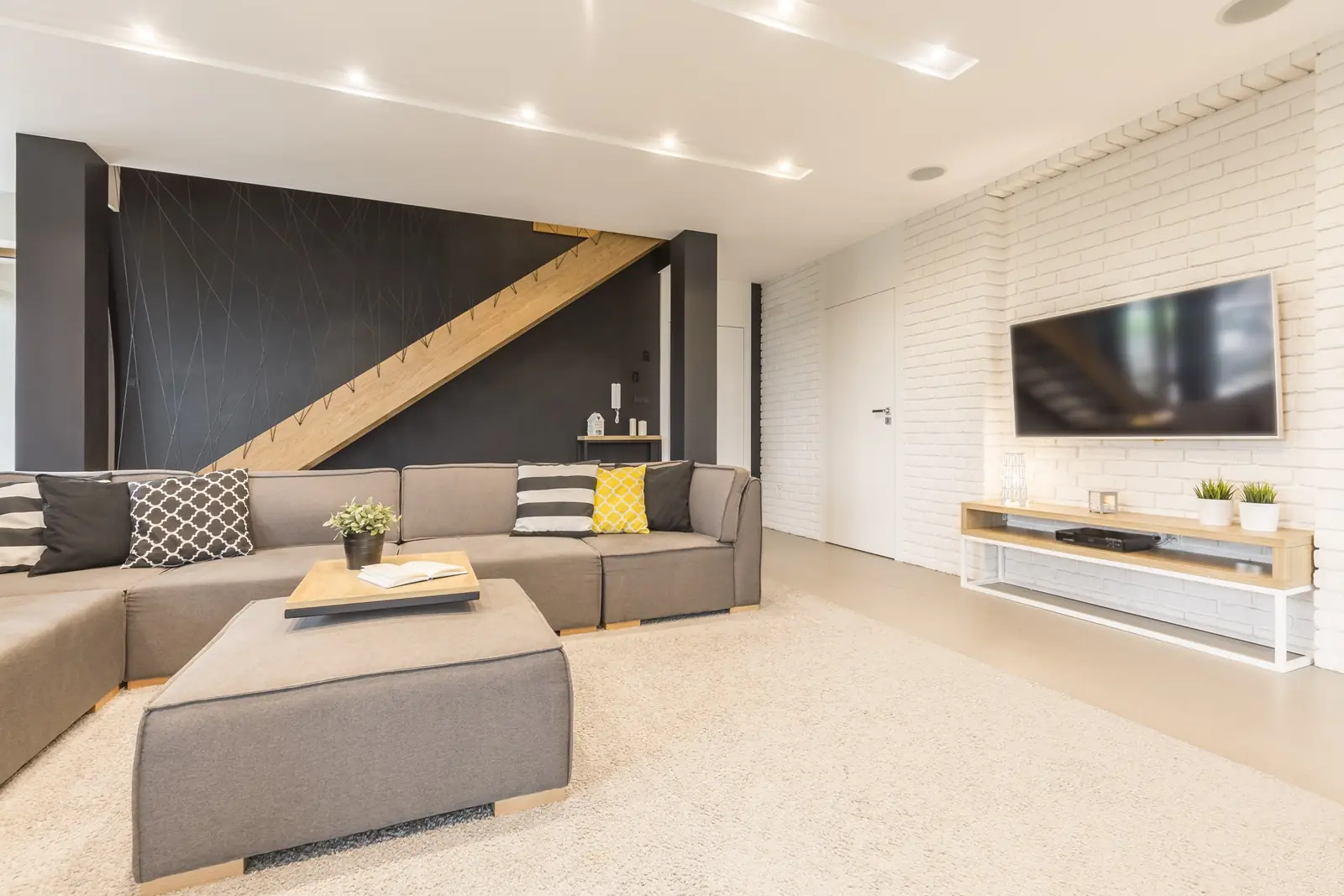
Drag the divider (or focus it and use your arrow keys) to compare a typical starting condition with a finished result.
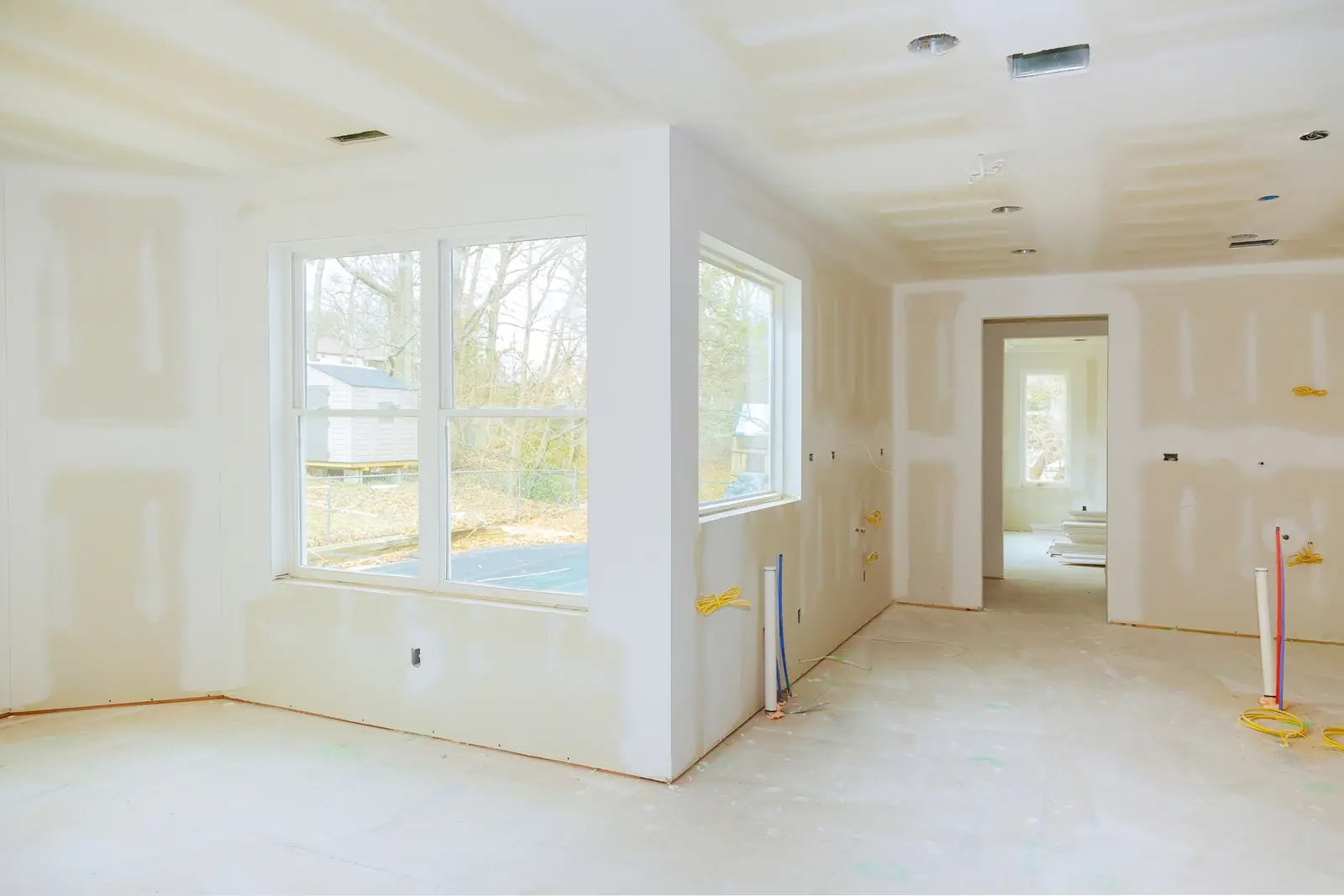
 BeforeAfter
Illustrative stock photography showing typical before and after conditions — not a Franklin Elite Drywall project. Real project photos will be added here.
Homes around Franklin
Franklin’s housing runs from ranches and split-levels built in the 1960s and ’70s to subdivisions built in the last few decades. Older homes tend to have settled framing, nail pops, ceiling texture, and the occasional plaster wall. Newer homes more often need finished basements, garage work, and repairs from settling or small leaks. Larger remodels in Franklin may need a building permit; your general contractor or the City’s inspection department can confirm what applies to your project.
Residential Drywall Services FAQs
Have a question that is not covered here? Include it with your estimate request.
Do I need to move furniture before you start?
Moving small items and anything fragile out of the room helps. Larger furniture can usually be shifted to the center of the room and covered. We will talk through it during the walkthrough.
How long does a typical room take?
Drying time sets the pace more than hanging does. Even a modest room usually needs several visits over a few days: tape and first coat, second coat, final coat, then sanding. Setting-type compounds and good ventilation can shorten that, but rushing coats causes cracking and shrinkage.
Do you paint as well?
Painting is quoted separately when it is part of the job. Either way, the drywall is left primed or ready for primer, and we will tell you what the surface needs so your painter is not surprised.
Can you match the texture on my existing walls?
In most cases, yes. Light orange peel, knockdown, and smooth walls are the most common in this area. We test the match on a small area first, and it is easier to judge once the surface is primed.
Often part of the same project.
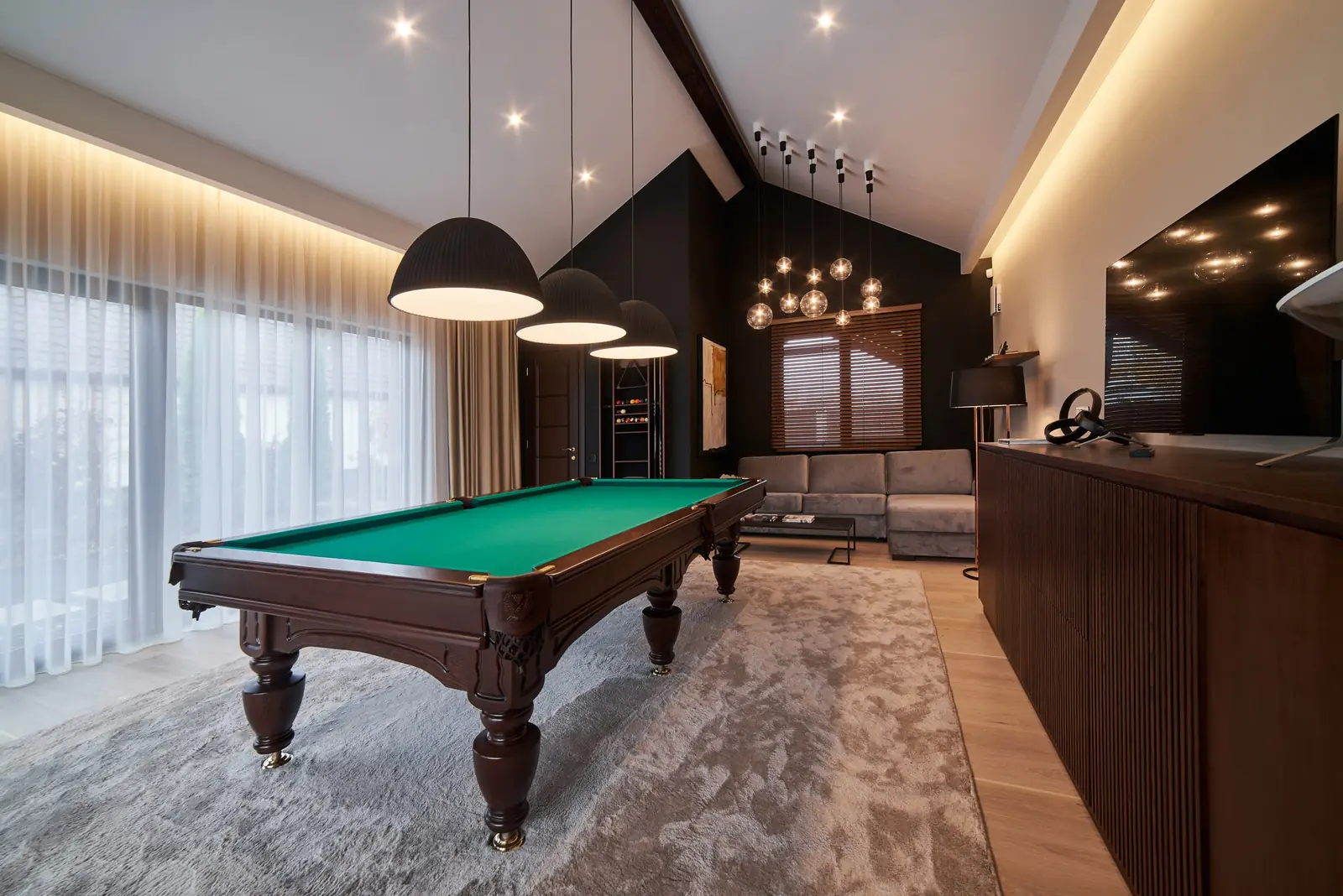
Basement Drywall Installation
Lower-level walls, soffits and ceilings built for Wisconsin basements — dry, warm and finished to match upstairs.
Learn more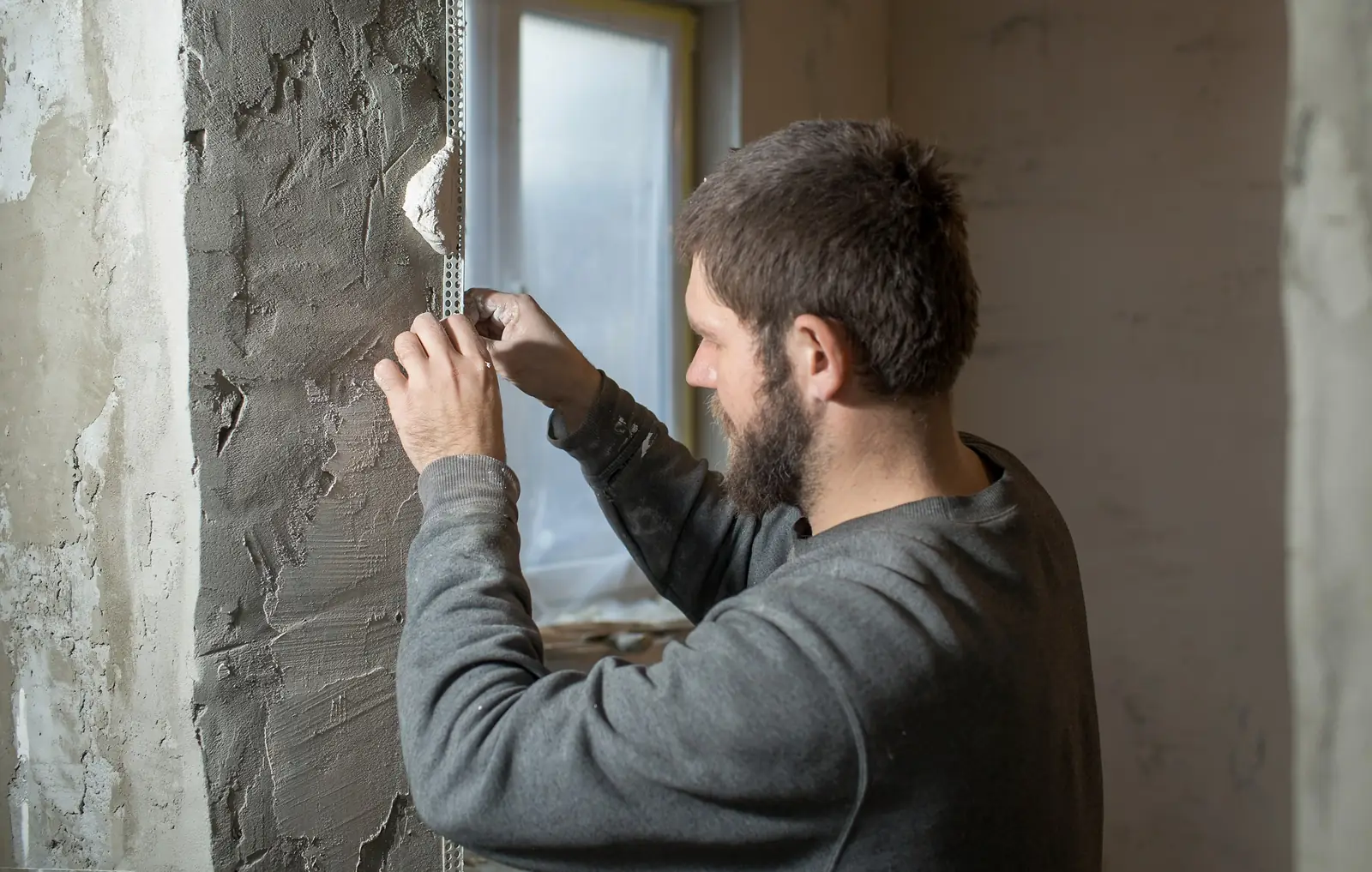
Drywall Repair
Cracks, nail pops, torn paper, damaged corners and settling problems diagnosed and repaired so they stay fixed.
Learn more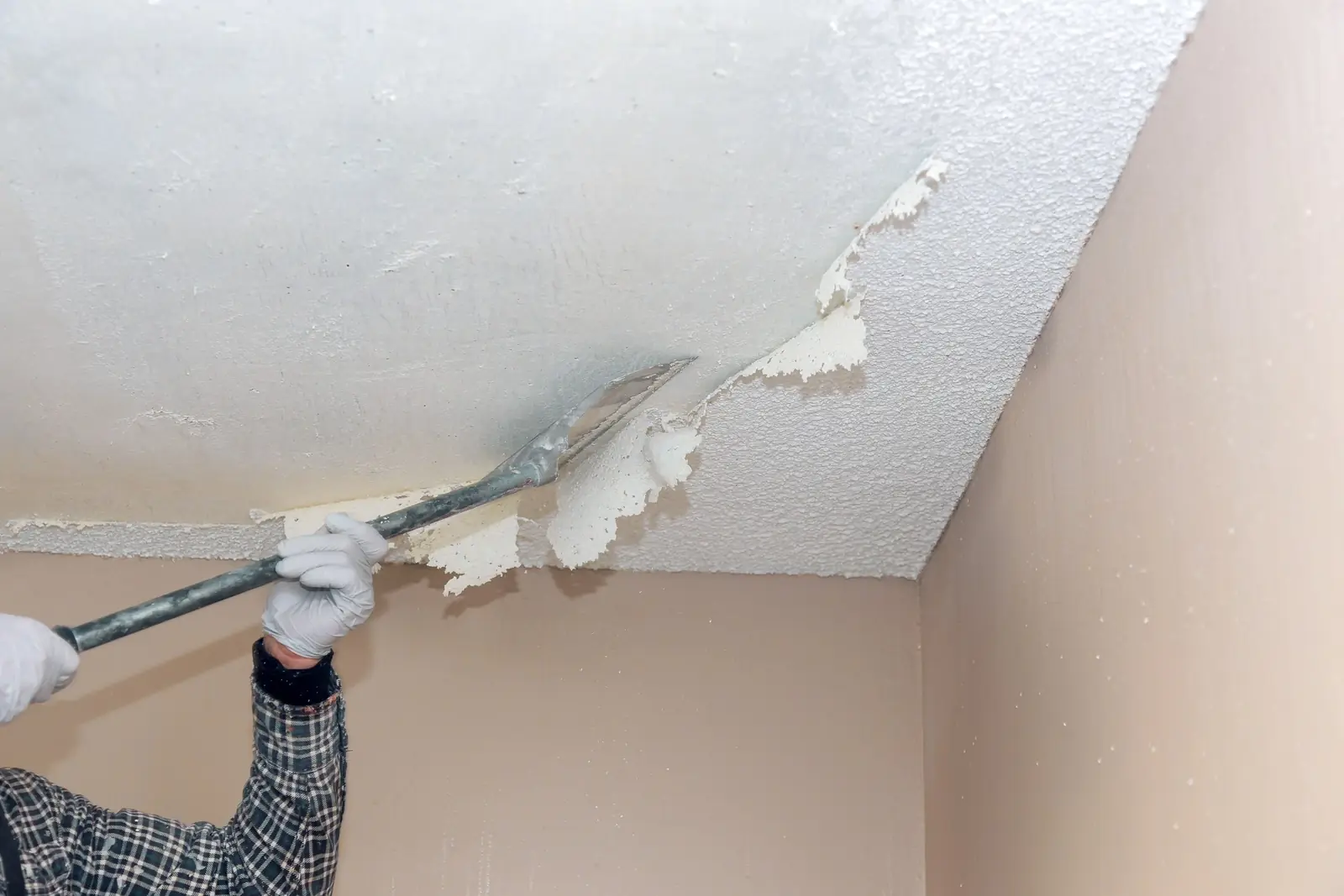
Popcorn Ceiling Removal
Scrape, skim and prime acoustic texture down to a flat, modern ceiling — after the right testing questions are answered.
Learn more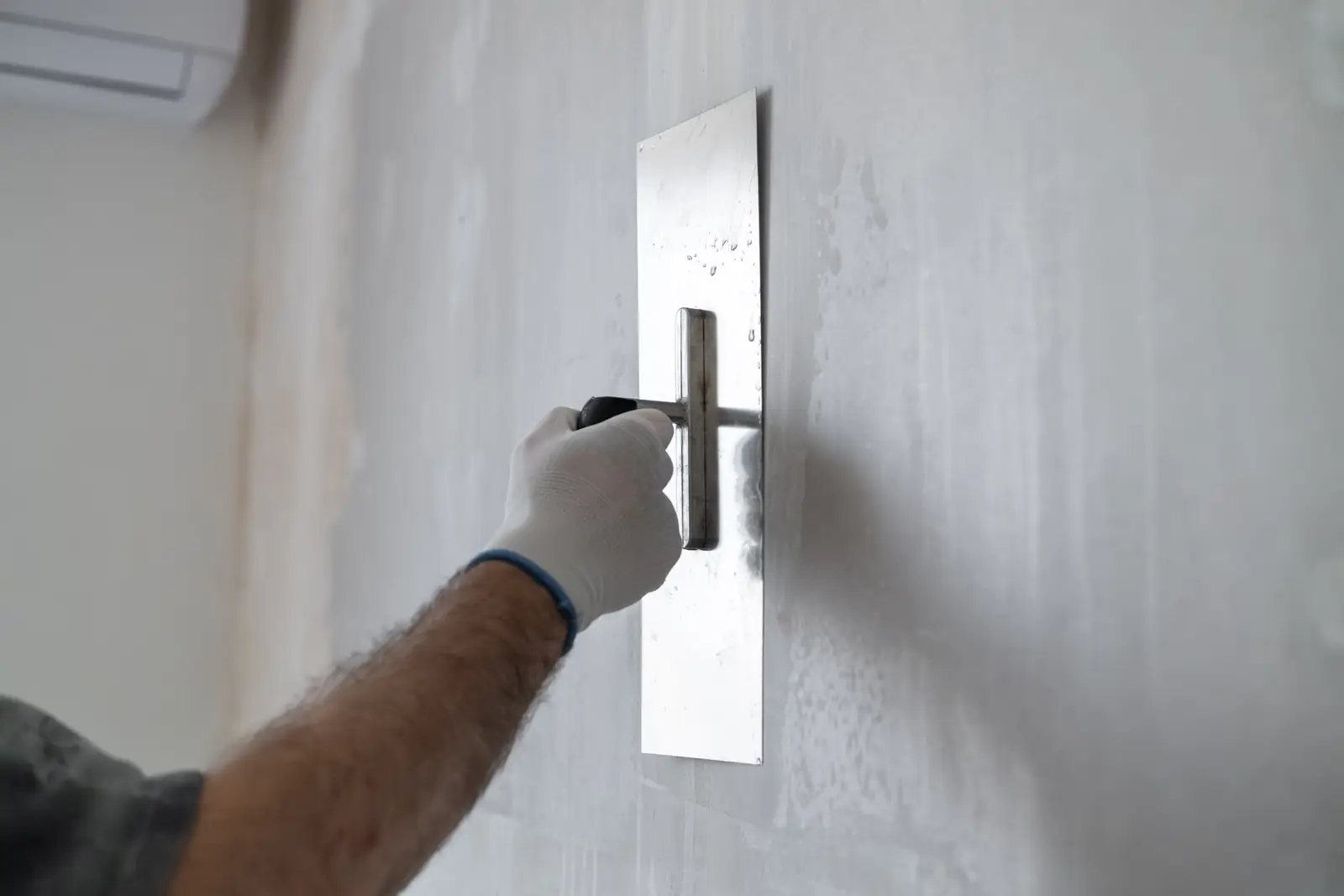
Drywall Finishing
Finish levels matched to your lighting and paint — up to a full Level 5 skim for walls that have to look flawless.
Learn more
Tell us about your home project
A few photos and a short description are enough to start. We will follow up to schedule a look at the space.